The Role of Pressure in Achieving Perfect Compression Molded Parts
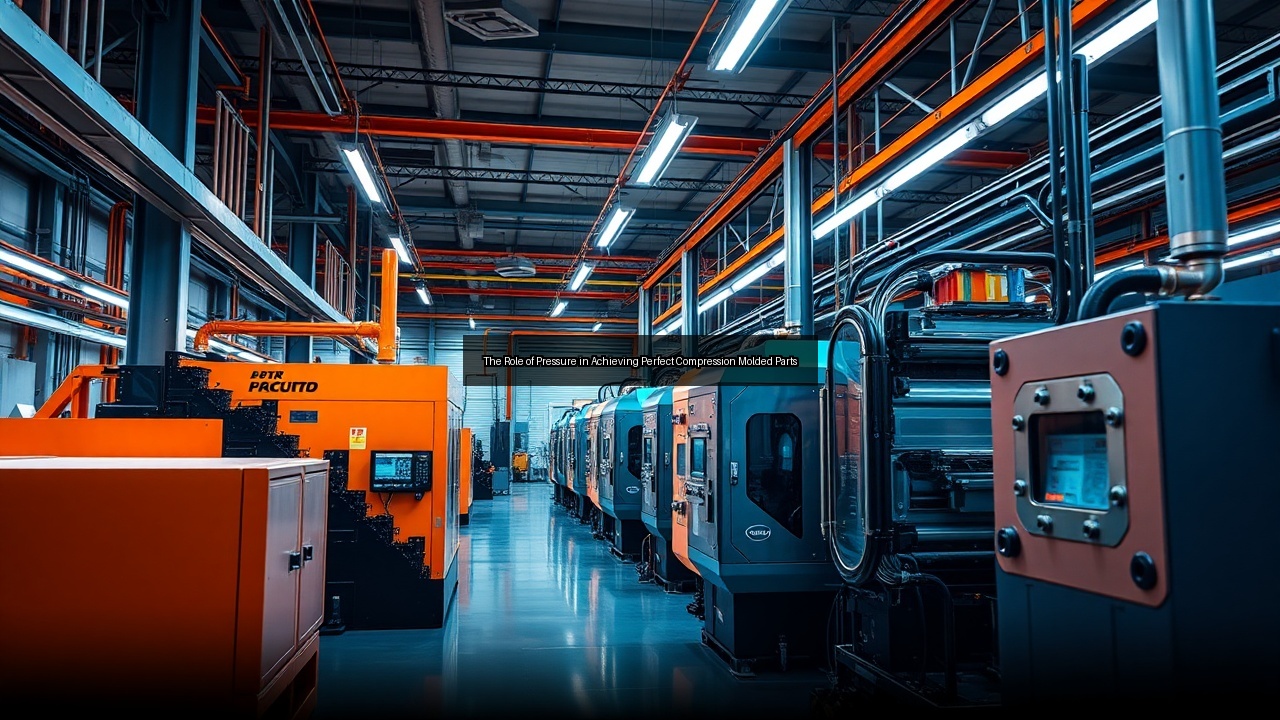
Understanding Compression Molding and Its Importance
What is Compression Molding?
Compression molding is a manufacturing process that shapes materials using heat and compression molding processes pressure. This technique involves placing a pre-measured amount of material, usually a thermosetting plastic or rubber, into an open mold cavity. The mold then closes, and heat is applied to cure or harden the material into a specific shape. Compression molding stands out for its efficiency in producing large parts and complicated geometries with minimal waste. The simplicity of the process, combined with the ability to create highly durable components, makes compression molding a preferred choice in various industries.
Key Benefits of Compression Molding
Compression molding offers several advantages that make it an attractive option for manufacturers. First, it requires less energy compared to other molding techniques, such as injection molding, because it uses heat rather than high-pressure injection. This energy efficiency can translate to lower production costs. Second, compression molded parts exhibit excellent dimensional stability and surface finish, which are crucial for many applications. Additionally, the process can handle a wide range of materials, including composites, elastomers, and thermosetting plastics, making it versatile for different manufacturing needs. Lastly, the ability to produce large quantities of parts in a single cycle enhances productivity and meets high demand efficiently.
Applications of Compression Molding in Industry
The applications of compression molding span various industries, including automotive, aerospace, medical, and consumer goods. In the automotive sector, manufacturers utilize compression molding for producing components like gaskets, seals, and interior parts, which require durability and precision. The aerospace industry benefits from lightweight yet strong parts made through compression molding, contributing to overall fuel efficiency. In medical applications, the technique allows for the creation of custom components, such as housings for medical devices, that meet stringent regulatory requirements. Additionally, consumer products like kitchenware and electronic housings often employ compression molding for efficient and cost-effective production.
The Role of Pressure in the Compression Molding Process
How Pressure Affects Material Behavior
Pressure plays a critical role in the compression molding process, directly influencing material behavior and the quality of the final product. Applying the right amount of pressure ensures that the material fills the mold completely, preventing defects such as voids or incomplete filling. Insufficient pressure may lead to weak spots in the molded parts, compromising structural integrity. Conversely, excessive pressure can cause material degradation or distortion, resulting in non-conforming products. The relationship between pressure and material behavior underlines the importance of precise pressure control throughout the compression molding process to achieve optimal results.
Optimal Pressure Levels for Different Molds
Determining optimal pressure levels for different molds hinges on several factors, including the type of material used, the complexity of the mold design, and the desired properties of the final part. Generally, thermosetting materials require higher pressure than thermoplastic materials. For instance, typical pressure levels for thermosetting plastics can range from 500 to 2500 psi, depending on the application. Adjusting pressure according to the specific requirements of each mold ensures that manufacturers achieve the best results. Consistent monitoring of pressure during the compression molding process is essential for maintaining quality and reliability in production.
Pressure Variations in Compression Molding Processes
Pressure variations during the compression molding process can lead to inconsistencies in molded parts. Factors such as temperature fluctuations, material viscosity, and mold design can influence how pressure is applied and maintained. For instance, if the material is too viscous, it may not flow properly under lower pressure, leading to incomplete molds. Conversely, if the mold heats too quickly and pressure is not adequately managed, it may cause premature curing, resulting in defects. Implementing advanced pressure monitoring systems can help mitigate these variations, ensuring a more controlled and predictable compression molding process.
Ensuring Reliability and Quality in Compression Molded Parts
Design Considerations for Effective Compression Molding
Effective design is crucial to achieving reliable and high-quality compression molded parts. Designers must consider aspects such as wall thickness, draft angles, and the overall geometry of the part. Uniform wall thickness helps ensure even material flow and consistent curing throughout the mold. Draft angles facilitate easy removal of the molded part from the mold, reducing the risk of damage. Additionally, incorporating features like ribs and bosses can enhance the strength of the part without adding excessive weight. Collaborating closely with a reputable compression molding company during the design phase can lead to more efficient production and improved outcomes.
Meeting Specifications and Standards
Manufacturers must adhere to strict specifications and industry standards when producing compression molded parts. Compliance with these specifications ensures that the products meet performance requirements and safety regulations. Many industries, especially aerospace and medical, have rigorous testing and certification processes for materials and products. Utilizing high-quality raw materials and following established manufacturing processes contribute to meeting these standards. Regular quality checks during the compression molding process help maintain consistency and reliability, ensuring that every part produced meets or exceeds the required specifications.
Choosing a Reliable Compression Molding Company
Selecting a reliable compression molding company significantly impacts the quality of the final product. Manufacturers should look for companies with a proven track record and expertise in compression molding services. Evaluating the company's experience with similar applications and their commitment to quality assurance is essential. Additionally, a company that invests in advanced technology and skilled personnel is more likely to deliver consistent results. Establishing open communication with the compression molding supplier allows for better collaboration throughout the project, ultimately leading to superior molded parts that meet the desired specifications.
Comparing Compression Molding with Other Molding Techniques
Injection Molding vs. Compression Molding
Both injection molding and compression molding are popular manufacturing techniques used to produce plastic parts, yet they differ significantly in process and application. Injection molding involves injecting molten plastic into a mold under high pressure, allowing for rapid production of intricate designs and high precision. However, it requires expensive machinery and tooling. In contrast, compression molding is ideal for larger parts and simpler shapes, making it more cost-effective for certain applications. While injection molding is often favored for high-volume runs of small parts, compression molding serves industries that prioritize larger components or lower production volumes.
The Role of Insert Molding in Modern Manufacturing
Insert molding is a specialized technique that combines compression molding with the incorporation of pre-formed components, such as metal inserts, into the molded part. This process enhances the functionality and strength of the final product while reducing assembly time and costs. By integrating inserts during the compression molding process, manufacturers can produce complex parts with enhanced durability and performance characteristics. This method is particularly valuable in industries where precision and reliability are paramount, such as automotive and electronics. Insert molding complements traditional compression molding, offering manufacturers greater versatility in product design.
Advantages of Compression Molding Services in Production
Choosing compression molding services offers distinct advantages in production efficiency and cost-effectiveness. The ability to produce large parts with minimal waste makes compression molding an environmentally friendly option. Additionally, the lower energy requirements associated with the process contribute to reduced operational costs. Compression molding services also provide flexibility in material selection, allowing compression molding machine manufacturers to choose the best material for their specific needs. This adaptability, combined with the potential for high-quality outputs, makes compression molding an attractive solution for businesses seeking reliable and efficient manufacturing methods.
See Also
- The Benefits of Custom Compression Molding Solutions for Unique Projects
- Maximizing Reliability in Compression Molding Services for High-Quality Outputs
- The Future of Manufacturing Exploring Advanced Compression Molding Processes
- Maximizing Efficiency in Production with Expert Compression Molding Services