Understanding the Process of Injection Molding in the Dairy State
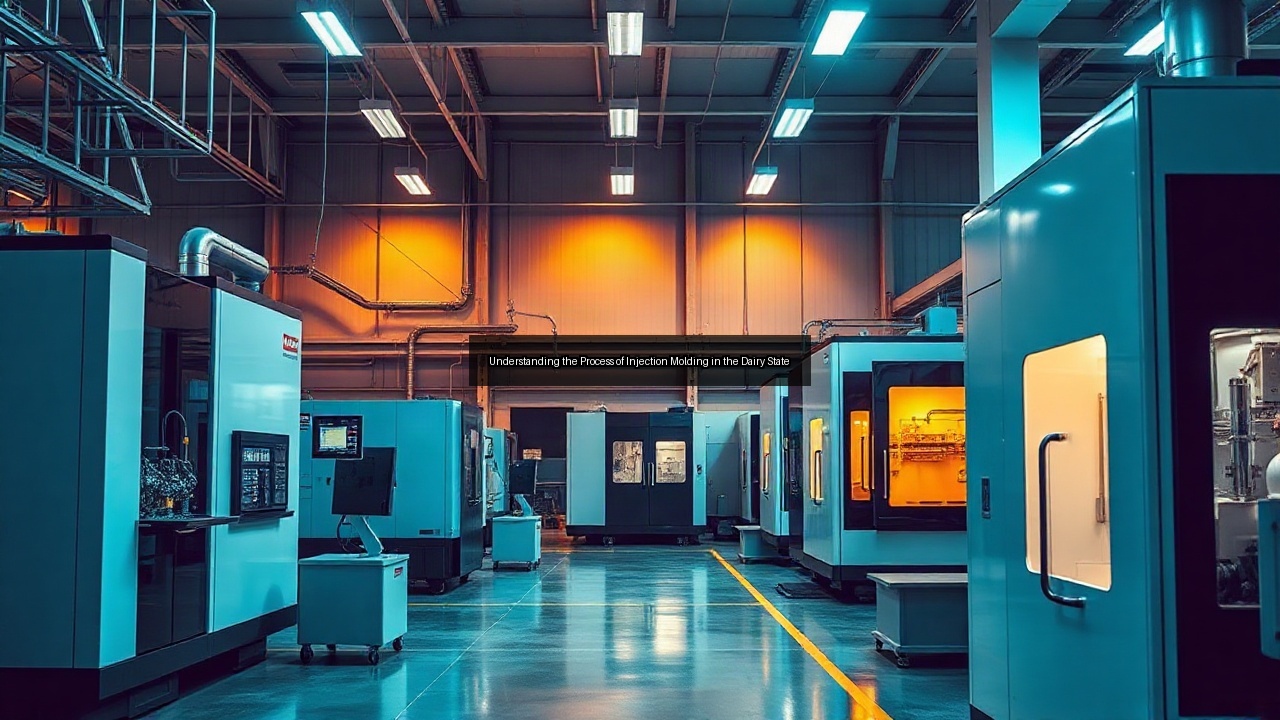
The Landscape of Injection Molding in Wisconsin
Overview of Wisconsin's Injection Molding Industry
Wisconsin boasts a robust plastic injection molding industry, crucial for various sectors including automotive, healthcare, and consumer goods. The state serves as a hub for innovation and production, providing high-quality injection molded components that meet diverse market demands. With a strong emphasis on sustainability and efficiency, Wisconsin's manufacturers employ advanced technologies to create intricate designs that cater to both local and global markets. The industry thrives due to a skilled workforce, numerous educational institutes offering specialized training, and a collaborative atmosphere among manufacturers, suppliers, and research institutions. This synergy accelerates the growth of plastic injection molding in Wisconsin.
Key Manufacturers and Suppliers in the State
Several key players dominate the injection molding landscape in Wisconsin. Companies like Plastics Engineering Company and Wisconsin Plastic Products have established themselves as leading manufacturers of injection molded components. These firms not only produce high-quality products but also emphasize customer service and innovative solutions tailored to specific needs. Suppliers of resins and other materials, such as Polymer Systems, play a vital role in supporting these manufacturers. The close proximity of these suppliers and manufacturers fosters a streamlined supply chain, ensuring efficiency and reducing turnaround times for injection molded products.
Innovations in Plastic Injection Molding
Innovation drives the plastic injection molding industry in Wisconsin. Companies are increasingly adopting advanced technologies such as automation, robotics, and smart manufacturing. These innovations enhance production efficiency, reduce waste, and improve product quality. For instance, the integration of IoT (Internet of Things) devices allows manufacturers to monitor processes in real-time, identifying potential issues before they escalate. Additionally, advancements in materials, including bio-based and recycled resins, align with growing environmental concerns, promoting sustainable practices. Wisconsin's commitment to research and development ensures that its injection molding sector remains competitive and responsive to emerging trends.
Understanding the Injection Molding Process
Stages of Injection Molding
The injection molding process involves several critical stages that ensure the production of high-quality components. It begins with the preparation of the injection mold, which is a custom-designed tool that shapes the final product. The next stage involves feeding plastic pellets into a heated barrel where they melt into a molten state. Once the plastic reaches the required temperature, a screw mechanism injects it into the mold cavity under high pressure. After the plastic cools and solidifies, the mold opens and ejects the finished part. This sequence of stages allows manufacturers to produce complex shapes consistently, making injection molding a highly adaptable process for various applications.
Types of Injection Molding Techniques
Injection molding encompasses various techniques, each tailored to specific applications and material types. Traditional thermoplastic injection molding remains the most common, allowing for the production of durable and versatile components. Other techniques include two-shot injection molding, which enables the creation of multi-material parts in a single cycle. This method is particularly useful for products that require different colors or textures, such as toothbrushes and household items. Other specialized methods include gas-assisted injection molding, which uses gas to create hollow sections in parts, and insert molding, where metal inserts are incorporated into plastic components. These techniques expand the possibilities for product design and functionality.
Role of Injection Molds in Production
Injection molds are the backbone of the injection molding process. These molds are custom-fabricated to meet the precise specifications of each product, ensuring consistency and accuracy in production. The design and quality of the mold directly impact the final product's performance and aesthetics. A well-designed mold minimizes defects and reduces cycle time, thereby enhancing productivity. Molds can be crafted from various materials, including steel and aluminum, depending on the production volume and material requirements. Manufacturers in Wisconsin often invest in advanced mold-making technologies to improve the efficiency and precision of their molds, further solidifying their position in the competitive injection molding market.
Applications and Benefits of Injection Molding
Common Products Made with Injection Molding
Injection molding produces an extensive range of products that touch everyday life. Common items include automotive parts like dashboards, medical devices such as syringes, and consumer goods ranging from toys to kitchen utensils. The versatility of plastic injection molding allows manufacturers to create complex shapes and intricate designs, making it suitable for specialized markets. Additionally, industries like electronics utilize injection molded housings for devices, while packaging companies rely on molded containers for efficient product distribution. The ability to replicate designs consistently ensures that Wisconsin's manufacturers can cater to various sectors effectively.
Advantages of Using Injection Molding
Injection molding offers several advantages that make it a preferred manufacturing method across industries. First, it provides exceptional precision and repeatability, ensuring that each part meets strict quality standards. Second, the process is highly efficient, enabling large production runs that significantly lower per-unit costs. Third, injection molding accommodates a wide range of materials, including various plastics and composites, which can be tailored to specific performance requirements. The process also allows for minimal waste, as excess material can often be recycled and reused. These benefits position injection molding as an ideal choice for companies looking to optimize their production processes.
Two-Shot Injection Molding: A Specialized Technique
Two-shot injection molding represents a specialized technique within the injection molding realm. This innovative approach enables manufacturers to create multi-material components in a single production cycle. By injecting two different materials into the same mold, companies can achieve unique product features, such as enhanced grip or aesthetic appeal. This method is particularly useful for consumer products like toothbrushes, where combining soft and hard plastics can improve functionality and user experience. Wisconsin manufacturers increasingly adopt two-shot injection molding to differentiate their products and meet diverse consumer demands, showcasing their ingenuity in the competitive injection molding market.
Choosing the Right Injection Molding Services in Wisconsin
Factors to Consider When Selecting a Manufacturer
Choosing the right injection molding service in Wisconsin involves several critical factors. Start by evaluating the manufacturer's experience and expertise in your specific industry. A company with a proven track record in producing similar products can provide valuable insights into material selection and design considerations. Additionally, assess their production capabilities, including equipment and technology. Modern machinery can significantly affect lead times and product quality. Consider customer service and communication as well; a responsive partner fosters collaboration and addresses any concerns promptly. Finally, review their commitment to sustainability, as many companies now prioritize eco-friendly practices in their operations.
Wisconsin Custom Plastic Injection Molding Services
Custom plastic injection molding services in Wisconsin Wisconsin injection molding manufacturer offer tailored solutions to meet diverse manufacturing needs. Many local manufacturers specialize in producing bespoke products, allowing businesses to create unique designs that resonate with their target markets. These services encompass everything from initial design concepts to mold fabrication and final production. Wisconsin's manufacturers often collaborate closely with clients to ensure that every detail is addressed, resulting in high-quality, injection molded products that fulfill specific requirements. Customization can include variations in material types, colors, and shapes, providing businesses with the flexibility needed in today's competitive landscape.
Contract Considerations for Injection Mold Projects
Engaging in contract manufacturing for injection mold projects requires careful consideration. Clear communication about project scope, timelines, and costs is essential to avoid misunderstandings. Ensure that the contract outlines responsibilities, including design revisions and quality assurance measures, to maintain product integrity. It's also vital to discuss intellectual property rights, especially if you're developing proprietary designs. Wisconsin's injection molding suppliers often provide flexible contract terms, accommodating both short-term projects and long-term partnerships. By establishing a solid contractual relationship, businesses can foster collaboration and drive successful outcomes in their injection molding endeavors.
See Also
- Why Wisconsin is Your Go-To State for Injection Mold Services
- A Deep Dive into Injection Mold Design Trends in Wisconsin
- Top Wisconsin Manufacturers Leading the Plastic Injection Molding Industry
- The Role of Thermoplastic Injection Molding in Wisconsin's Economy
- Exploring the Versatility of Injection Molded Plastics in Wisconsin