The Importance of Quality Control in Weld Fitting Manufacturing
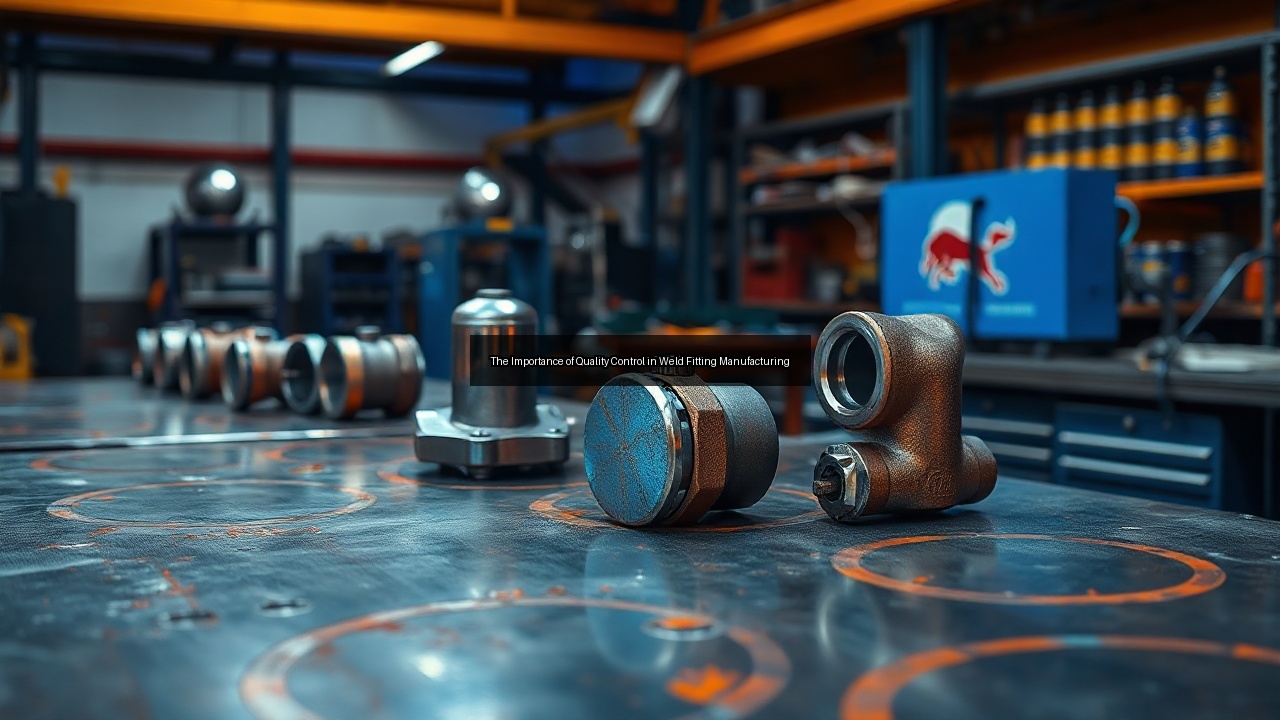
Understanding Weld Fitting Manufacturing
Overview of Weld Fittings and Their Applications
Weld fittings play a critical role in various industries, particularly in the construction of pipelines that transport liquids and gases. These fittings connect different sections of pipe, ensuring that systems operate effectively under varying conditions of temperature and pressure. Industries such as oil and gas, water treatment, and chemical manufacturing rely on weld fittings to maintain the integrity of their piping systems. Using welded fittings enhances the strength of connections, reducing the risk of leaks and failures. The applications extend to residential plumbing, industrial piping, and even aerospace, where precision and reliability are paramount.
Key Materials Used in Weld Fitting Production
The choice of materials in weld fitting manufacturing significantly impacts their performance and durability. Common materials include carbon steel, stainless steel, and alloy steels. Carbon steel weld fittings offer excellent strength and weldability, making them ideal for high-pressure applications. Stainless steel fittings resist corrosion and are suitable for environments exposed to moisture or chemicals. Alloy steels, which may contain additional elements for enhanced properties, provide solutions for specialized environments. The selection of material not only affects the cost of production but also influences the longevity and maintenance of the piping systems in which these fittings are used.
Types of Weld Fittings: Butt, Socket, and More
Weld fittings come in various types, each designed for specific applications and installation methods. Butt weld fittings, for instance, connect the ends of two pipes, allowing for a seamless transition and ensuring minimal pressure drop across the joint. Socket weld fittings, on the other hand, accommodate pipes inserted into a socket, making them suitable for small-diameter piping systems. Other types include reducers, which change the diameter of the pipe, pipe tees that allow for branching off a main line, and pipe caps that seal the end of a pipe. Understanding these types is essential for selecting the right fitting that meets the operational demands of a project.
The Role of Quality Control in Weld Fitting Production
Importance of Dimensional Accuracy in Weld Fittings
Dimensional accuracy remains a cornerstone of quality control in weld fitting production. Precise dimensions ensure that the fittings fit perfectly with pipes, reducing the likelihood of leaks and failures. Inaccurate dimensions can lead to improper assembly, which compromises the integrity of the entire piping system. Manufacturing processes must adhere to strict tolerances for diameter, wall thickness, and length. This precision is crucial when fitting components together, especially in high-pressure systems where even a small deviation can result in catastrophic failures. Regular inspections and measurements throughout the manufacturing process help maintain these standards, ensuring that each weld fitting meets the required specifications.
Impact of Temperature and Pressure on Weld Integrity
The integrity of welds in fittings directly correlates with the operating temperature and pressure of the system. High temperatures can affect the mechanical properties of the material, potentially leading to issues like warping or weakening of the weld. Similarly, excessive pressure may cause stress on the welds, risking cracks or complete failure. Quality control processes must account for these factors by simulating various operating conditions during testing. Engineers often perform stress tests to ensure that welds can withstand the anticipated temperature and pressure ranges. This proactive approach ensures that weld fittings maintain their integrity under real-world conditions, safeguarding against future operational issues.
Testing Methods for Quality Assurance in Welds
Quality assurance in weld fittings involves a variety of testing methods to assess the strength and reliability of welds. Non-destructive testing (NDT) techniques, such as ultrasonic testing and radiographic inspection, allow manufacturers to evaluate welds without damaging the fittings. These methods detect internal flaws that may not be visible externally, ensuring that welds meet safety and performance standards. Additionally, pressure testing is commonly employed to verify that the fittings can handle the specified operating conditions without leaking. Regular audits and compliance with industry standards, such as ASME and ISO certifications, further enhance the quality control process, ensuring that every weld fitting produced is of the highest caliber.
Challenges and Solutions in Weld Fitting Manufacturing
Common Issues in Weld Quality and Their Solutions
Manufacturers face several challenges regarding weld quality, including defects such as porosity, cracks, and incomplete fusion. Porosity arises from trapped gas during the welding process, while cracks may develop due to thermal stress. Incomplete fusion occurs when the weld metal fails to properly bond with the base material. Solutions to these issues often involve refining the welding technique, selecting appropriate filler materials, and controlling the welding environment. Regular training for welders on best practices and the latest technologies can also lead to improved weld quality. Implementing a robust quality management system helps identify and rectify these problems before they escalate, ensuring the production of reliable weld fittings.
Cost Implications of Poor Quality Control
Poor quality control in weld fitting manufacturing can lead to significant cost implications. Defective fittings may require rework, resulting in increased labor and material costs. Furthermore, failures in the field can lead to catastrophic accidents, not only jeopardizing safety but also incurring substantial costs in repairs and legal liabilities. Companies may face downtime when systems fail due to poor welds, leading to lost productivity. Investing in quality control measures upfront minimizes these risks, ensuring that products meet industry standards and customer expectations. By focusing on quality, manufacturers can enhance their reputation and maintain customer loyalty, ultimately contributing to long-term profitability.
Ensuring Consistency in Large Production Runs
Maintaining consistency across large production runs of weld fittings presents a unique challenge. Variability in materials, equipment, and operator skill can lead to discrepancies in product quality. To combat this, manufacturers implement standardized processes and automated systems that minimize human error. Utilizing precision machinery for cutting and welding ensures uniformity in dimensions and weld quality. Regular calibration of equipment and adherence to strict operational protocols help maintain consistency. Additionally, conducting routine inspections and random sampling during production allows manufacturers to identify and address variations early in the process, ensuring that every fitting meets the required specifications.
Future Trends in Weld Fitting Manufacturing
Innovations in Welding Techniques and Equipment
The welding industry continually evolves, with innovations in techniques and equipment transforming weld fitting manufacturing. Advances such as laser welding and electron beam welding offer precise control over the welding process, resulting in stronger and more reliable welds. These modern techniques reduce heat input, minimizing the risk of warping and distortion in welded components. Furthermore, the development of advanced welding robots improves efficiency and consistency, allowing for higher production rates without sacrificing quality. As technology continues to advance, manufacturers must adapt to these innovations to remain competitive in the market.
The Rise of Automation in Quality Control
Automation increasingly plays a pivotal role in quality control for weld fitting production. Automated inspection systems utilize artificial intelligence and machine learning to analyze weld quality in real-time, identifying defects that human inspectors might miss. This technology enhances accuracy and speed, allowing for quicker decision-making during production runs. Furthermore, automated data collection enables manufacturers to track quality metrics over time, facilitating continuous improvement efforts. As the industry embraces automation, companies can achieve higher levels of precision and reliability in their products, driving down costs and improving overall performance.
Sustainability Practices in Weld Fitting Production
Sustainability emerges as a significant focus in weld fitting manufacturing, driven by the need to minimize environmental impact. Manufacturers are exploring eco-friendly materials and processes, such as using recycled metals for fittings. Innovations in welding technology also contribute to sustainability by reducing energy consumption and waste generation. Implementing lean manufacturing principles helps streamline operations, minimizing excess material and optimizing resource use. As regulations around environmental practices tighten, companies that prioritize sustainability will not only comply but also appeal to a growing market of environmentally conscious consumers.