Unlocking the Secrets of Submerged Arc Welding Machines for Industry Professionals
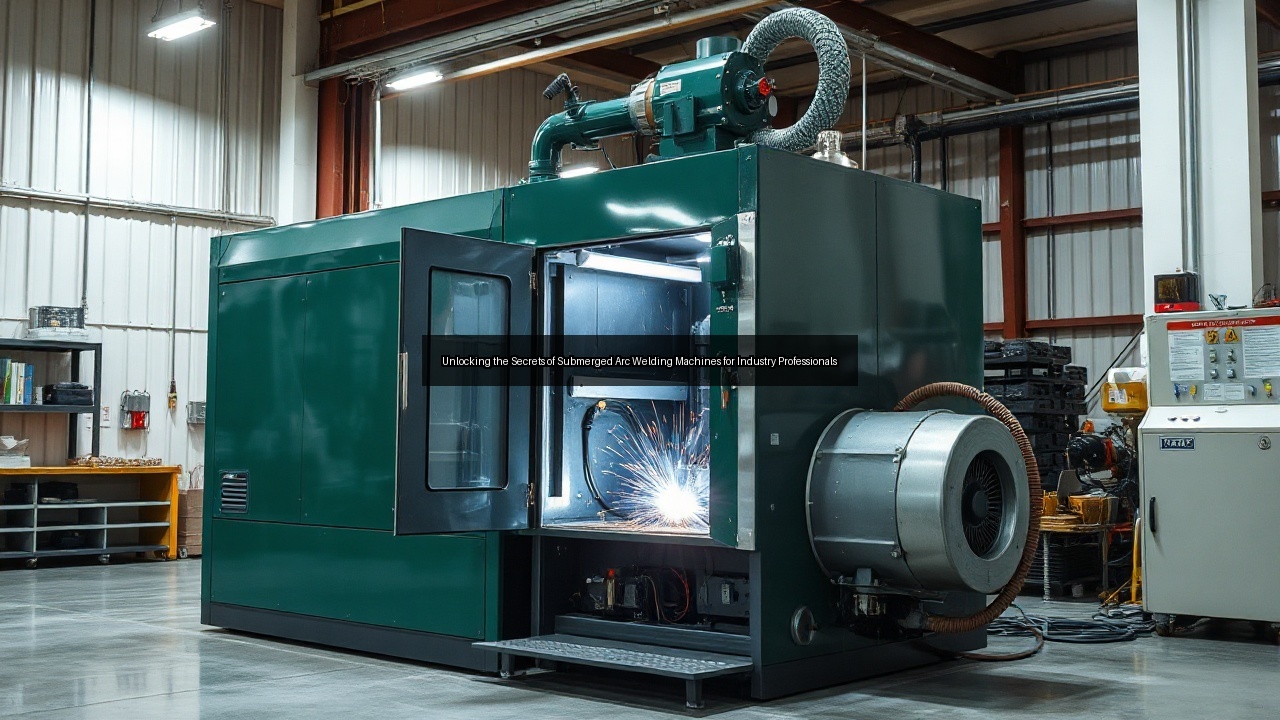
Understanding Submerged Arc Welding Technology
Principles of Submerged Arc Welding
Submerged arc welding (SAW) operates on the fundamental principle of creating an arc between a continuously fed electrode and the workpiece. This process occurs beneath a blanket of granular flux arc welders that protects the weld pool from atmospheric contamination. The heat generated melts both the electrode and the base metals, facilitating the fusion of the materials. Welders appreciate SAW for its deep penetration capabilities and high deposition rates, making it particularly suitable for heavy-duty applications. This method is efficient and produces welds with minimal spatter, which enhances the overall quality of the work. The submerged nature of the arc also reduces the noise and harmful fumes typically associated with traditional welding methods.
Components of Submerged Arc Welding Machines
A submerged arc welding machine consists of several critical components that work together to ensure a seamless welding process. Key elements include the power supply, which can be either alternating current (AC) or direct current (DC), and the welding head that houses the electrode. The flux hopper distributes the granular flux over the weld area, while the wire feeder ensures a consistent supply of electrode wire. Effective cooling systems, including water-cooled components, help maintain optimal operating temperatures, ensuring longevity and performance. Additionally, advanced control systems allow for precise adjustments in voltage and current, depending on the specific requirements of the welding task. Together, these components form a robust system capable of tackling various welding challenges.
Types of Submerged Arc Welding Systems
Submerged arc welding systems can be categorized into different types based on their operational characteristics and applications. Automatic submerged arc welding systems utilize mechanized equipment to control the welding process, ensuring high precision and repeatability. Semi-automatic systems, on the other hand, require some manual input, allowing welders to adjust parameters as needed while still benefiting from the efficiency of the submerged arc method. Portable submerged arc systems offer flexibility and ease of use in various job sites, making them ideal for on-the-go projects. Some systems even integrate plasma cutting technologies for enhanced versatility, allowing operators to switch between welding and cutting tasks seamlessly. Each type of system has unique advantages, catering to the diverse needs of industries such as construction, shipbuilding, and heavy machinery fabrication.
Key Features of Submerged Arc Welding Machines
Efficiency and Performance Metrics
The efficiency of submerged arc welding machines stands out due to their ability to achieve high deposition rates, often exceeding that of traditional welding methods like shielded metal arc welding (SMAW) or TIG welding. This efficiency translates to faster production times and reduced labor costs, making SAW an attractive choice for manufacturers. Additionally, the process typically results in high-quality welds with excellent mechanical properties. Performance metrics such as travel speed, heat input, and voltage control play crucial roles in achieving optimal results. Industry professionals often rely on these metrics to fine-tune their machines for specific applications, ensuring that the welds produced meet stringent quality standards. With advancements in technology, modern submerged arc welding machines offer enhanced automation features, increasing both efficiency and precision in welding operations.
Power Supply Options: AC vs. DC
Choosing the right power supply is integral to the success of submerged arc welding. Two primary options exist: alternating current (AC) and direct current (DC). AC provides a more stable arc and is suitable for welding thicker materials, especially when working with AC-compatible electrodes. It also allows for better control over the heat input, which is essential for preventing warping or distortion of the base metals. Conversely, DC offers advantages in terms of arc stability and is more commonly used for welding non-ferrous materials and stainless steel. Welders often prefer DC for its ability to produce cleaner welds with less spatter. Understanding the differences between AC and DC power supplies helps welders make informed decisions based on their specific welding needs and the materials involved.
Electrode and Flux Selection for Optimal Welds
The selection of the appropriate electrode and flux is vital for achieving optimal welds in submerged arc welding. Various types of electrodes, such as solid wires or flux-cored wires, can influence the quality and characteristics of the weld. Welders frequently choose electrodes based on the type of material being welded, whether it be carbon steel, stainless steel, or alloys. Flux serves multiple purposes, including shielding the weld pool, promoting fusion, and removing impurities. The right combination of electrode and flux enhances weldability and ensures a strong, defect-free joint. Professionals must consider factors such as the chemical composition of the materials, heat input, and desired mechanical properties when making their selections. This careful consideration helps produce welds that meet the rigorous demands of various industrial applications.
Applications and Benefits in Various Industries
Fabrication of Stainless Steel and Alloys
Submerged arc welding excels in the fabrication of stainless steel and other alloys due to its ability to produce strong, high-quality welds with minimal filler material. Industries that rely heavily on stainless steel, such as food processing, pharmaceuticals, and chemical manufacturing, benefit from the efficiency and precision of SAW. The process minimizes oxidation and contamination, which is crucial when working with materials that require high corrosion resistance. Furthermore, submerged arc welding’s deep penetration capabilities allow for thicker sections to be welded in a single pass, reducing the need for multiple welding processes. The end result is a cost-effective solution that meets stringent quality standards while significantly enhancing productivity in fabrication operations.
Submerged Arc Welding in Tractor Manufacturing
Tractor manufacturing presents a unique set of challenges that submerged arc welding effectively addresses. The heavy-duty construction required for tractors necessitates strong, durable welds that can withstand harsh operating conditions. SAW's high deposition rates and deep penetration make it ideal for joining thick metal components, such as chassis and frames. Additionally, the process generates less heat input compared to other welding methods, reducing the risk of warping or distortion in large parts. This characteristic is crucial in maintaining precise tolerances in the final product. Manufacturers in the agricultural sector leverage submerged arc welding to enhance production efficiency, reduce cycle times, and ensure high-quality finishes on their machinery.
Comparative Analysis with Other Welding Methods
Submerged arc welding distinguishes itself from other welding methods, such as MIG, TIG, and SMAW, through its unique benefits and applications. Unlike MIG welding, which requires constant supervision, SAW operates with a high degree of automation, allowing for continuous production with minimal interruptions. While TIG welding offers excellent control and is suitable for thin materials, it lacks the deposition rate and speed of submerged arc welding, making SAW the preferred choice for heavy-duty applications. SMAW, while versatile, often produces more spatter and requires more cleanup, whereas SAW produces cleaner welds with less post-weld treatment. The comparative analysis highlights the advantages of submerged arc welding, positioning it as a leading choice for industries requiring both quality and efficiency.
Choosing the Right Submerged Arc Welding Equipment
Top Brands and Models to Consider
When selecting submerged arc welding equipment, brand reputation and model specifications significantly influence the decision-making process. Leading brands such as ESAB, Miller, and Lincoln Electric offer a range of machines tailored to meet various industry needs. These brands are known for their reliability, innovative technology, and excellent customer support. Popular models often feature advanced control systems, customizable settings, and enhanced portability, catering to both large-scale fabrication and smaller projects. Professionals should evaluate the specific requirements of their applications, such as power capacity and automation features, when choosing equipment. Investing in high-quality submerged arc welding machines from reputable brands ensures optimal performance and longevity in demanding industrial environments.
Essential Tools and Accessories for Welders
In addition to the welding machine itself, a comprehensive set of tools and accessories enhances the submerged arc welding experience. Essential items include wire feeders, flux hoppers, and electrode holders, which facilitate smooth operation and consistent quality. Welders also benefit from protective gear, such as helmets with proper filtration systems, gloves, and fire-resistant clothing, ensuring safety during the welding process. Quality power supplies, including transformers and rectifiers, are crucial for maintaining stable voltage and current during operation. Moreover, having the right maintenance tools, such as cleaning brushes and inspection gauges, helps welders keep their equipment in optimal condition, prolonging its lifespan and efficiency.
Maintenance Tips for Longevity and Efficiency
Regular maintenance is essential for ensuring the longevity and efficiency of submerged arc welding machines. Operators should conduct routine inspections to check for wear and tear on components, including the electrode feed mechanism and contact tips. Keeping the welding area clean and free from debris helps prevent faults and maintains the machine's performance. Additionally, periodic calibration of the power supply and welding parameters ensures that the machine operates within optimal ranges, reducing the risk of defects in welds. Utilizing quality consumables, such as electrodes and flux, also plays a crucial role in maintaining efficiency. Following these maintenance tips not only extends the life of the welding equipment but also enhances the overall quality of the welds produced.